
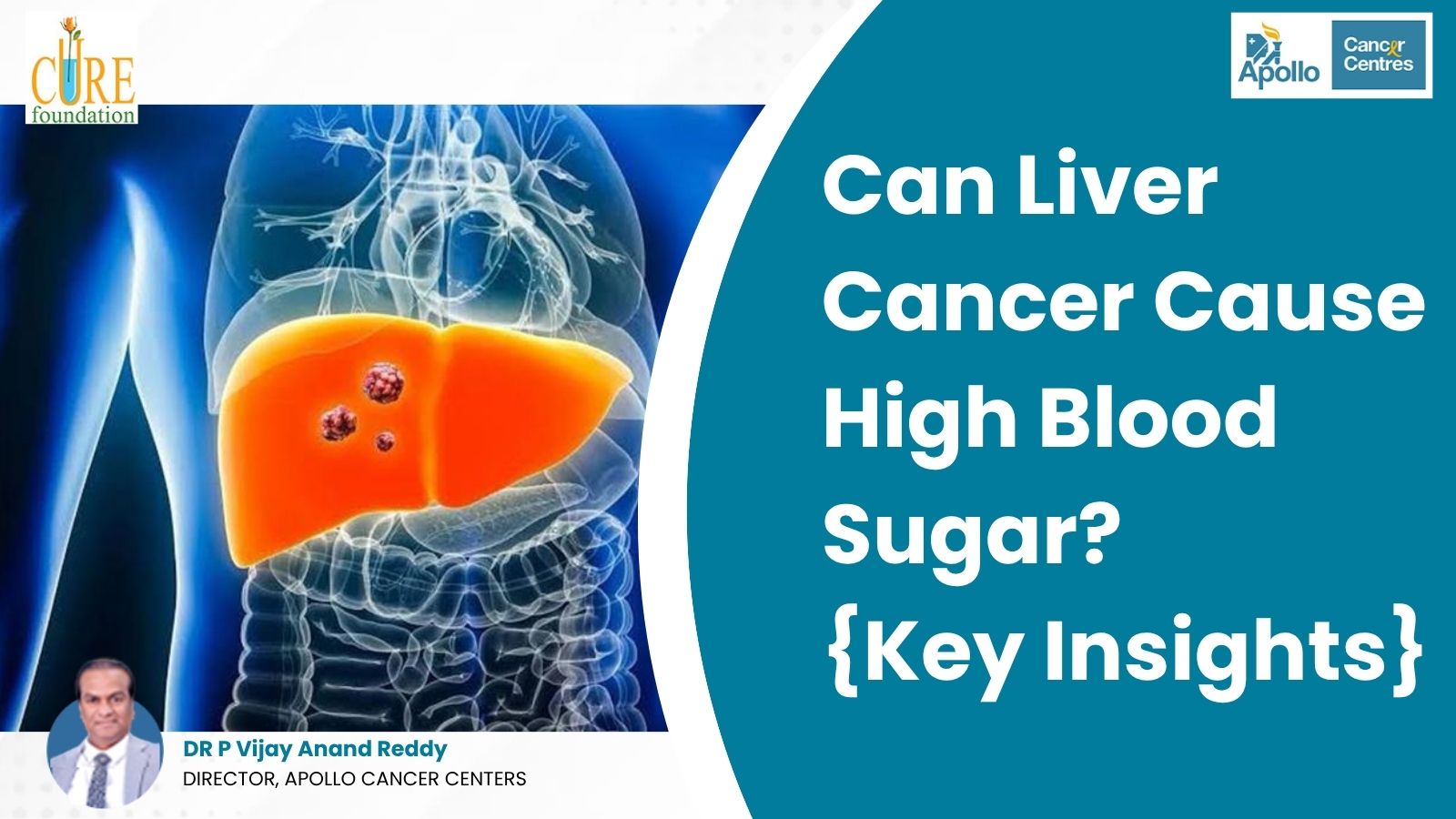
Liver cancer is a serious condition that affects one of the most important organs in the body—the liver. The liver plays a key role in managing blood sugar levels, digestion, and metabolism. Because of this, many people wonder: Can liver cancer cause high blood sugar? For patients seeking advanced care, Liver Cancer treatment in Hyderabad is widely recognized for its experienced specialists and modern treatment options.
The answer is yes, liver cancer can contribute to high blood sugar levels, especially in advanced stages. However, the relationship is complex and involves multiple factors such as liver function, hormones, insulin resistance, and underlying health conditions like diabetes.
In this detailed guide, we will explain everything in simple language so you can clearly understand how liver cancer and blood sugar are connected.
Understanding Liver Cancer
Liver cancer is a condition in which abnormal cells in the liver grow uncontrollably and form a tumor. The liver is one of the most important organs in the body, responsible for filtering toxins, aiding digestion, and regulating blood sugar levels. When cancer develops in the liver, it can interfere with all these vital functions.
Liver cancer begins when normal liver cells change (mutate) and start multiplying rapidly. Over time, these cancerous cells can form masses (tumors) and may spread to other parts of the body if not treated early.
Types of Liver Cancer
There are different types of liver cancer, depending on where the cancer starts:
1. Hepatocellular Carcinoma (HCC)
This is the most common type of liver cancer. It starts in the main liver cells (hepatocytes). Most cases of liver cancer fall under this category.
2. Cholangiocarcinoma (Bile Duct Cancer)
This type begins in the bile ducts, which carry bile from the liver to the small intestine.
3. Angiosarcoma
A rare but aggressive form of liver cancer that starts in the blood vessels of the liver.
4. Secondary (Metastatic) Liver Cancer
This occurs when cancer spreads to the liver from another part of the body, such as the colon, lungs, or breast.
Causes of Liver Cancer
Liver cancer does not happen suddenly—it usually develops over time due to underlying liver damage.
Common causes include:
- Chronic hepatitis B or C infection
- Liver cirrhosis (scarring of the liver)
- Long-term alcohol consumption
- Fatty liver disease (NAFLD/NASH)
- Exposure to toxins like aflatoxins
- Genetic conditions
These factors damage liver cells and increase the risk of abnormal cell growth.
Symptoms of Liver Cancer
In the early stages, liver cancer may not cause noticeable symptoms. As the disease progresses, symptoms may include:
- Unexplained weight loss
- Loss of appetite
- Pain in the upper right abdomen
- Swelling in the abdomen
- Yellowing of skin and eyes (jaundice)
- Fatigue and weakness
- Nausea and vomiting
These symptoms often appear when the disease has advanced, which is why early screening is important.
Can Liver Cancer Cause High Blood Sugar?
Yes, liver cancer can cause high blood sugar (hyperglycemia) due to several reasons:
1. Impaired Liver Function
Liver cancer damages healthy liver cells. As the disease progresses, the liver loses its ability to regulate glucose properly. This leads to increased sugar levels in the blood.
2. Insulin Resistance
Cancer can cause inflammation in the body. This inflammation may lead to insulin resistance, where the body does not respond well to insulin. As a result, glucose builds up in the bloodstream.
3. Hormonal Changes
Some tumors can affect hormone production, which may increase glucose levels.
4. Stress Response
Cancer puts physical stress on the body. Stress hormones like cortisol can raise blood sugar levels.
5. Associated Conditions
Many liver cancer patients already have conditions like:
- Fatty liver disease
- Cirrhosis
- Type 2 diabetes
These conditions themselves can cause high blood sugar.
So when people ask, “Can liver cancer cause high blood sugar?”, the answer is often yes—but usually through these indirect mechanisms.
Why Blood Sugar Rises in Liver Cancer Patients
Let’s look deeper into the causes:
Damage to Liver Cells
Healthy liver cells control sugar storage and release. Cancer replaces these cells, leading to poor glucose regulation.
Reduced Glycogen Storage
The liver may lose its ability to store glucose, causing sugar to remain in the bloodstream.
Increased Glucose Production
In some cases, the liver produces more glucose than needed, worsening hyperglycemia.
Medications and Treatment Effects
Certain cancer treatments, like steroids, can also increase blood sugar levels.
Symptoms of High Blood Sugar in Liver Cancer
If liver cancer causes high blood sugar, you may notice:
- Increased thirst
- Frequent urination
- Fatigue
- Blurred vision
- Unexplained weight loss
- Slow wound healing
These symptoms can sometimes overlap with cancer symptoms, making it important to monitor blood sugar regularly.
Link Between Liver Cancer and Diabetes
There is a strong connection between liver cancer and diabetes.
Diabetes as a Risk Factor
People with long-term diabetes have a higher risk of developing liver cancer.
Liver Cancer Worsening Diabetes
Once cancer develops, it can make diabetes harder to control.
This creates a cycle where:
- Diabetes increases cancer risk
- Cancer worsens blood sugar control
That is why managing both conditions together is very important.
How Doctors Diagnose Blood Sugar Issues in Liver Cancer
Doctors may recommend:
- Fasting blood sugar test
- HbA1c test
- Liver function tests
- Imaging tests (CT scan, MRI)
Regular monitoring helps detect problems early and prevent complications.
Treatment and Management
Effective treatment and management of liver cancer focus on controlling the disease, maintaining liver function, and managing complications like high blood sugar. A combined approach of medical care, lifestyle changes, and regular monitoring helps improve outcomes and quality of life.
1. Managing Liver Cancer
Managing liver cancer involves selecting the right treatment based on the stage of cancer, liver condition, and overall health of the patient. Early diagnosis allows for curative treatments, while advanced stages focus on controlling the disease and slowing its progression. Patients often benefit from expert care available through Liver Cancer treatment in Hyderabad, where advanced technologies and personalized plans are used.
- Surgery to remove cancerous tumors in the early stages
- Liver transplant for severe liver damage or advanced cases
- Chemotherapy to destroy cancer cells
- Radiation therapy to shrink tumors
- Targeted therapy to block cancer growth
- Immunotherapy to boost the body’s defense system
Specialists like Dr. Vijay Anand Reddy provide comprehensive care and guide patients through each stage of treatment.
2. Controlling Blood Sugar
Since the liver plays a major role in regulating blood sugar, liver cancer can lead to imbalances like high blood sugar. Proper control of glucose levels is essential to avoid complications and support overall treatment.
- Monitor blood sugar levels regularly
- Take prescribed insulin or oral medications
- Avoid high-sugar and processed foods
- Follow a balanced, low-glycemic diet
- Manage stress levels to prevent spikes
Keeping blood sugar stable helps improve recovery and reduces additional health risks.
3. Diet and Nutrition
A healthy diet is crucial for supporting liver function and strengthening the body during cancer treatment. Proper nutrition helps maintain energy levels and supports healing.
- Eat fresh fruits and green vegetables rich in nutrients
- Include whole grains and high-fiber foods
- Choose lean protein sources like lentils, fish, and eggs
- Drink enough water to stay hydrated
- Limit intake of salt, sugar, and unhealthy fats
Foods to avoid:
- Alcohol
- Fried and processed foods
- Sugary beverages
- Excess red meat
A balanced diet plays a key role in improving overall health during treatment.
4. Regular Monitoring
Continuous monitoring is essential to track the effectiveness of treatment and detect any complications early. It helps doctors make timely changes to the treatment plan.
- Routine blood tests to check overall health
- Liver function tests to monitor liver performance
- Imaging tests such as a CT scan or an MRI
- Regular blood sugar level checks
- Scheduled consultations with your doctor
Regular follow-ups ensure better management of liver cancer and help maintain overall well-being.
Lifestyle Tips to Manage Blood Sugar
Here are some simple tips:
- Follow a healthy diet
- Stay physically active (as advised by your doctor)
- Avoid alcohol
- Maintain a healthy weight
- Take medications on time
These steps can help manage both liver health and blood sugar levels.
Final Thoughts
So, can liver cancer cause high blood sugar? Yes, it can—mainly because the liver plays a crucial role in controlling glucose levels. When cancer affects the liver, this balance is disturbed, leading to high blood sugar.
Managing both conditions together is essential for better health outcomes. With proper medical care, lifestyle changes, and guidance from an experienced Oncologist in Hyderabad, patients can effectively control symptoms and improve their quality of life.
Frequently Asked Questions
Can liver cancer directly cause diabetes?
Liver cancer does not directly cause diabetes, but it can worsen blood sugar control and lead to diabetic-like symptoms.
Why do liver cancer patients develop high blood sugar?
This happens due to liver damage, insulin resistance, hormonal changes, and stress on the body.
Is high blood sugar a sign of liver cancer?
Not always. High blood sugar is more commonly linked to diabetes, but in some cases, it may be associated with liver problems, including cancer.
Can treating liver cancer improve blood sugar levels?
Yes, in some cases, treating the cancer helps restore liver function, which may improve blood sugar control.
How can I manage blood sugar if I have liver cancer?
You can manage it through medication, proper diet, regular monitoring, and medical guidance.
Is liver cancer more common in diabetic patients?
Yes, people with long-term diabetes have a higher risk of developing liver cancer.
