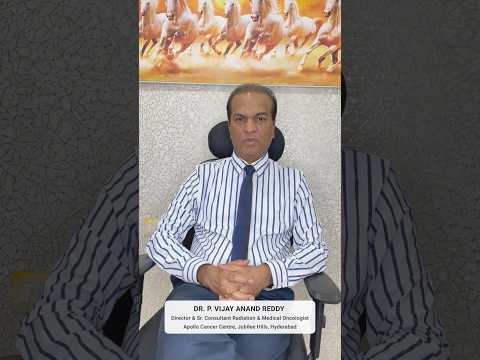


Sr. Consultant Oncologist, Professor & Head, Dept. of Radiation Oncology
A distinguished oncologist with over three decades of experience, dedicated to providing world-class cancer care.

Sharing hope through 108 inspiring cancer survivor stories
"To provide world-class cancer care with cutting-edge technology, personalized treatment plans, and unwavering compassion..."
State-of-the-art treatments and compassionate care across all cancer specialties, tailored to each patient's unique needs and circumstances.

Precise, technologically advanced cancer treatment with expert clinical support in Hyderabad

Advanced chemotherapy, immunotherapy and targeted drug therapies for comprehensive cancer management

Effective targeted cancer treatment with minimized side effects, especially for tumors near vital organs

Specialized multidisciplinary care for cancers of the head and neck region with advanced treatment options

Expert diagnosis, advanced surgery and radiation, plus holistic support for optimal outcomes

Comprehensive diagnosis, precise surgical and medical care, and holistic support for eye cancer patients
Get personalized treatment recommendations from Dr. Vijay Anand Reddy and his expert team.
Schedule ConsultationTrusted by thousands of patients and families for exceptional cancer care, advanced treatments, and compassionate support throughout the healing journey.
Join thousands of patients who have trusted Dr. Vijay Anand Reddy for their cancer care. Schedule your consultation today and take the first step towards recovery.
Dr. Vijay Anand Reddy's commitment to excellence has been recognized through numerous prestigious awards and international certifications.

Awarded on Apollo Founder's Day for outstanding patient care and dedication to Apollo mission.

AROICON 2024 for prospective study on patient-reported toxicities & QOL in SBRT Prostate.

International Society of Ocular Oncology, Goa for contributions to ocular oncology.

AROICON 2022 for feasibility study on extreme hypofractionation in post-operative breast cancer.

41st AROICON, Ahmedabad for outstanding contribution in Radiation Oncology.

Lions Club International in association with Apollo Hospitals for extraordinary service in Oncology.
Global recognition through prestigious international medical training programs


Active affiliations with leading international oncology societies and committees
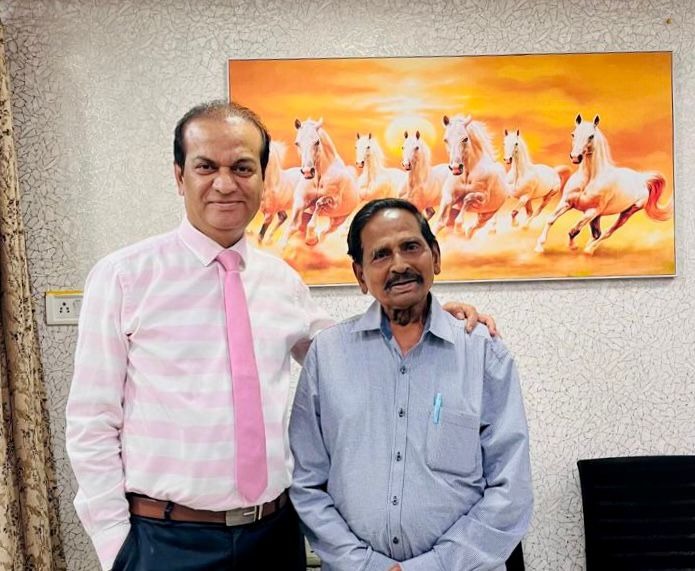
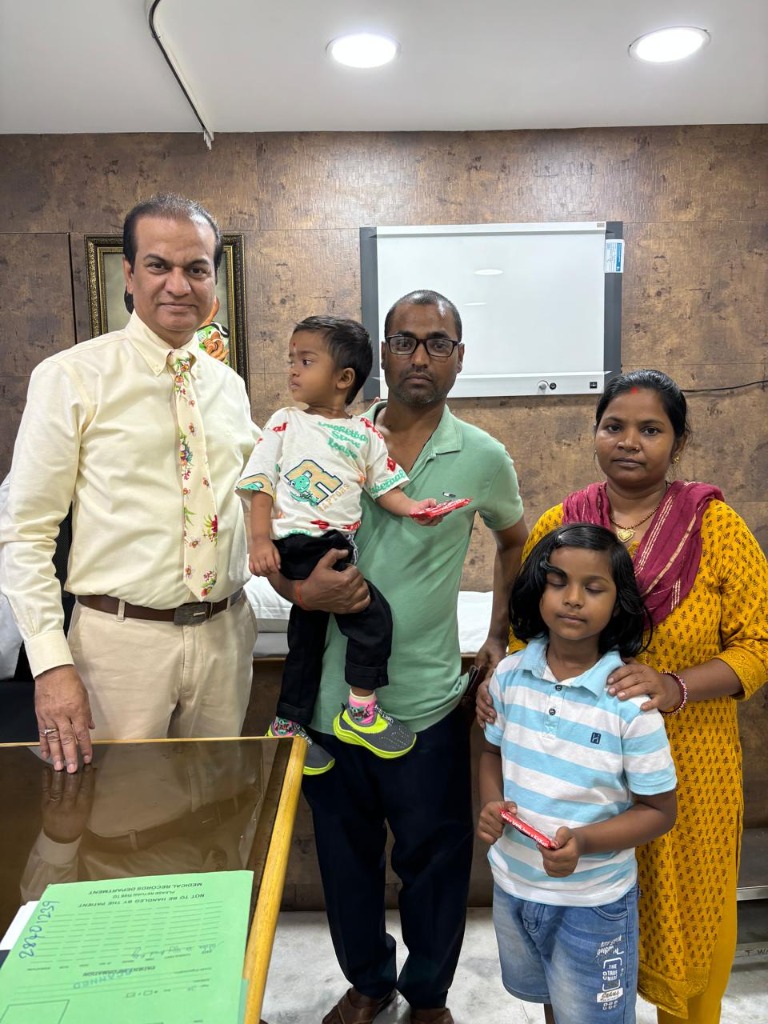
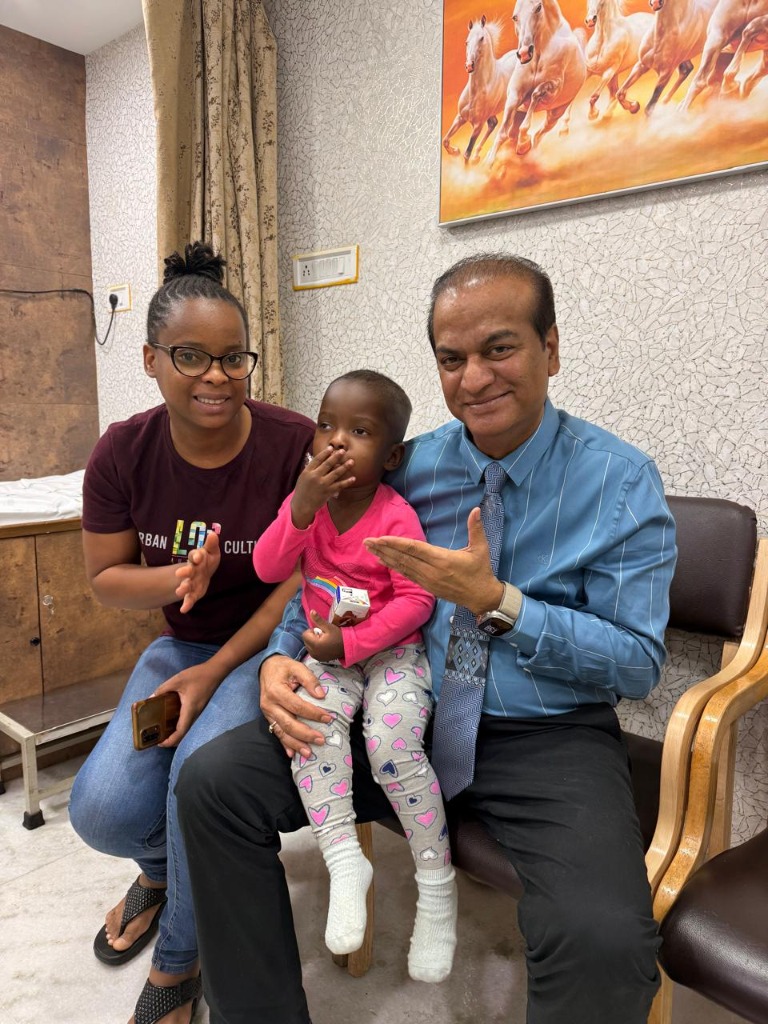
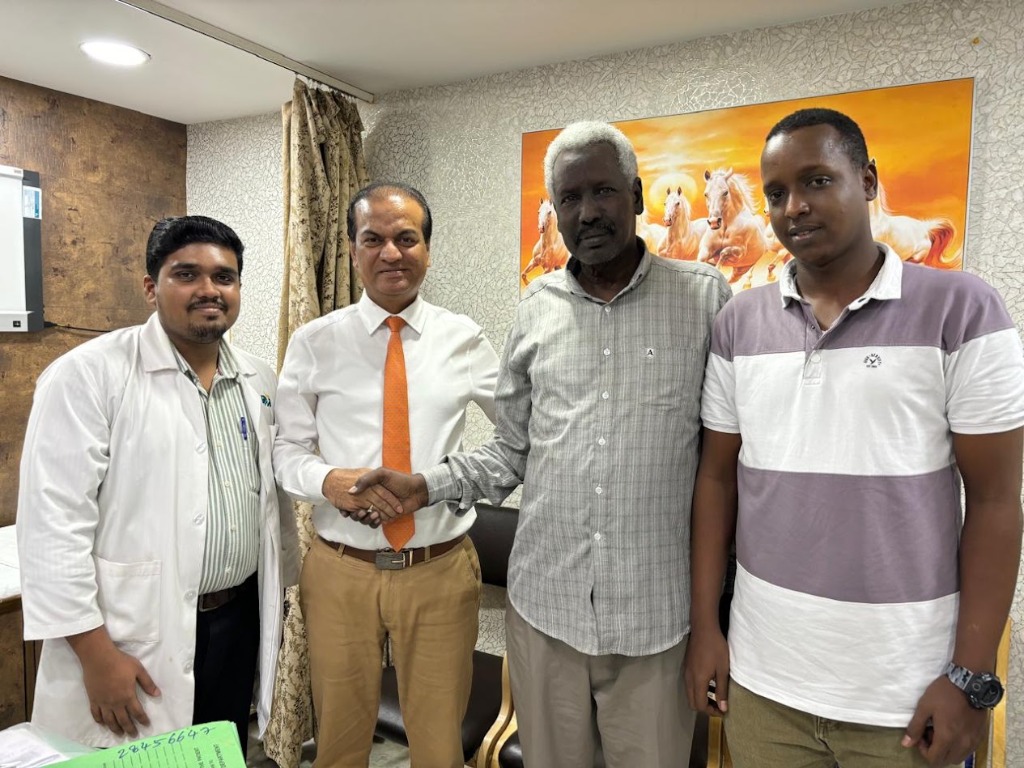
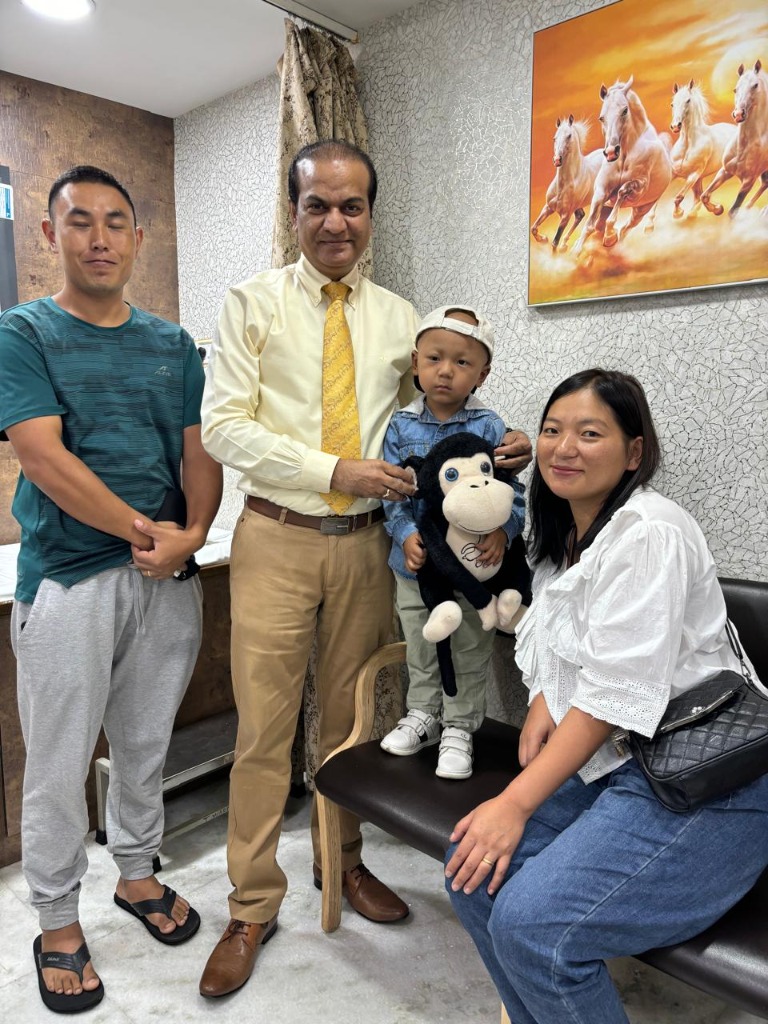
Moments of hope, healing, and happiness with our patients and their families.
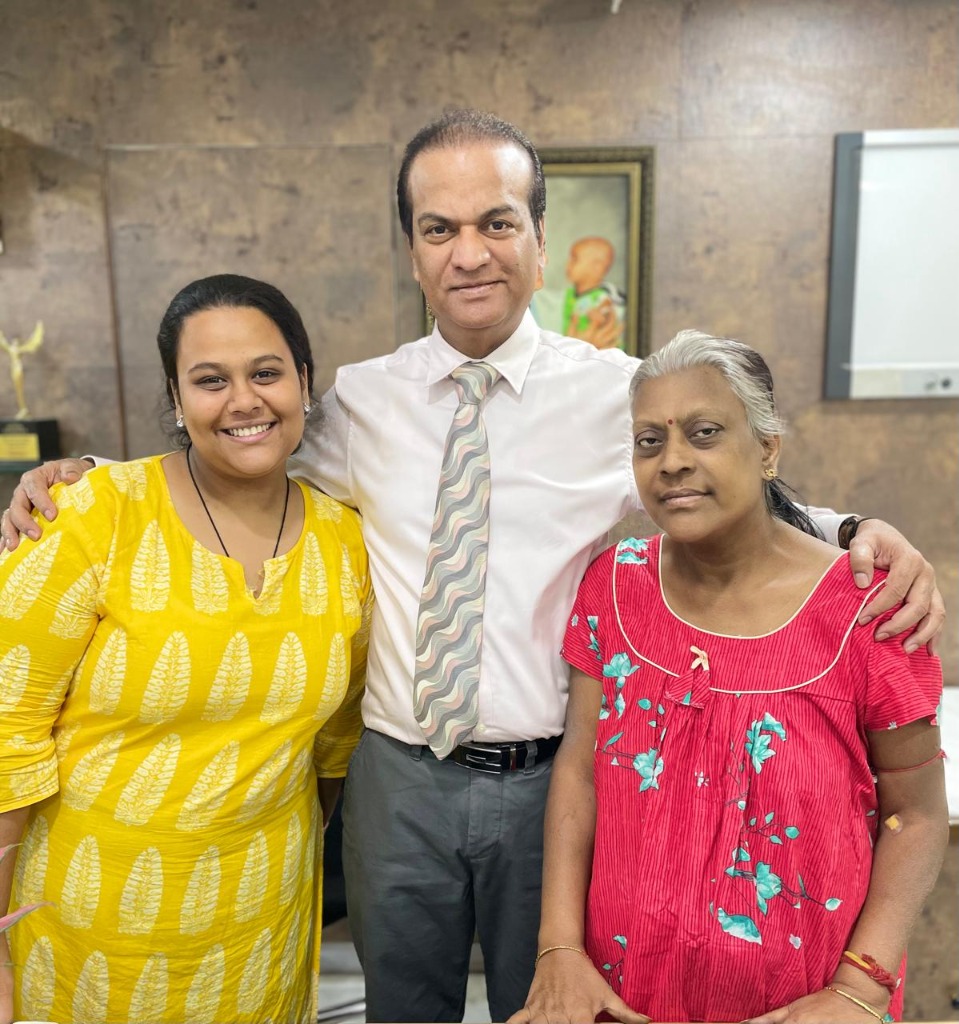
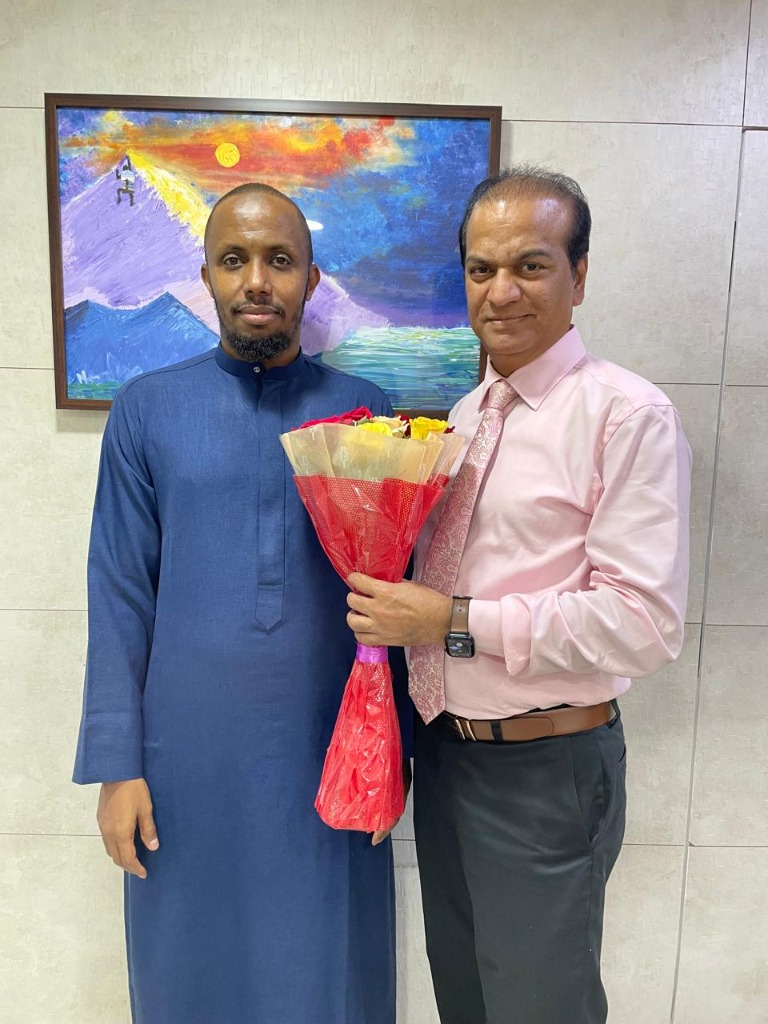
Hear from our patients about their treatment journey with Dr. Vijay Anand Reddy.
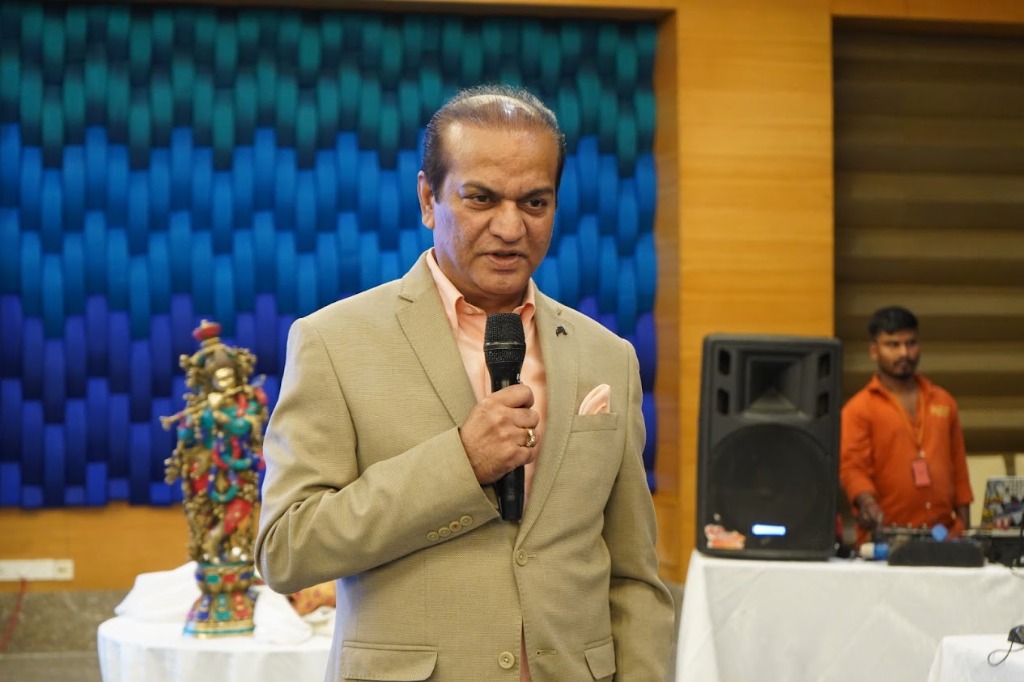
Stay updated with our latest healthcare initiatives, awareness programs, and community events.
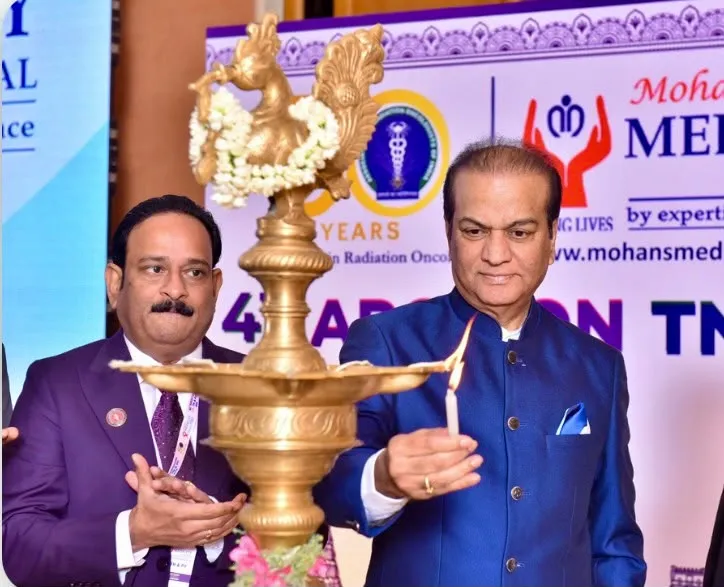
A Truly Memorable Day at AROICON 2026, 12th Sept Madurai Today was a truly memorable and humbling day. I was deeply honoured to be invited as the C...
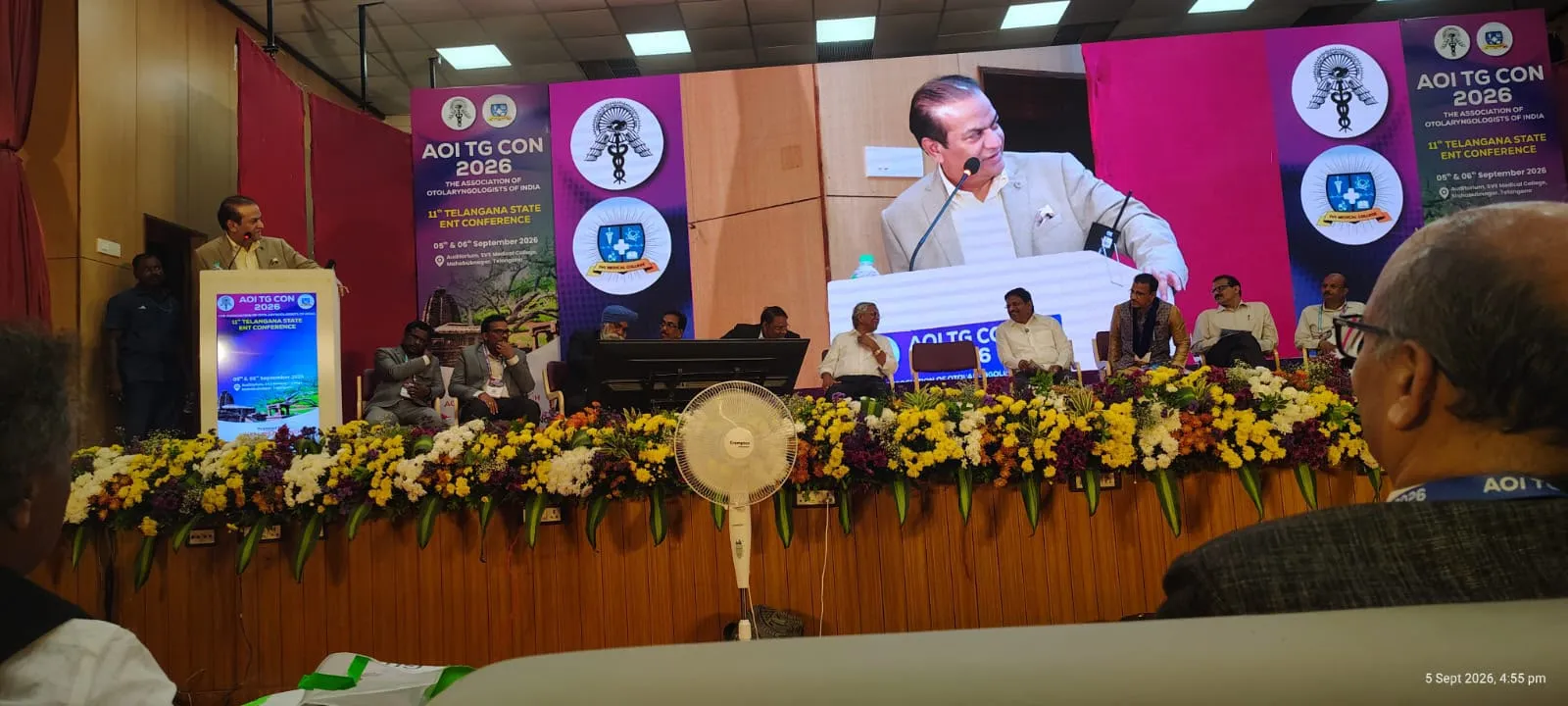
Honoured to be invited as Guest of Honour and Speaker at AOI TG CON 2026 – the 11th Telangana State ENT Conference. It was a wonderful and gratifyi...
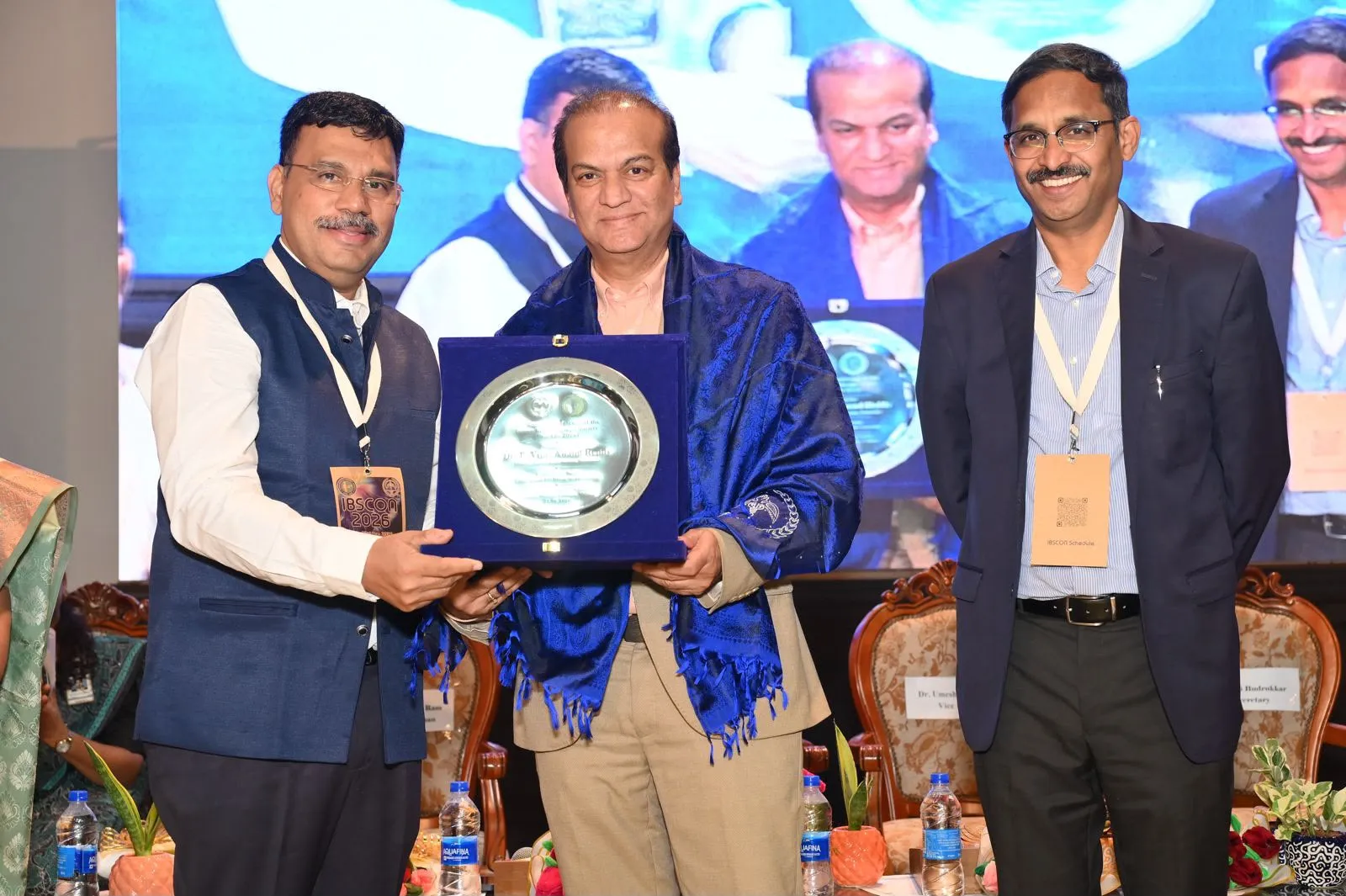
A memorable and deeply humbling day at Christian Medical College (CMC), Vellore. It was a great privilege to be invited as the Chief Guest at IBSCON ...
Find expert answers to common questions about cancer treatments, appointment booking, and specialized patient care.
Ready to start your healing journey? Contact us today.