
Cancer is one of the most significant health concerns of our time, and its prevalence is steadily rising worldwide. However, cancer is not a single disease but a group of diseases that affect various parts of the body. Although some risk factors like genetics and family history are beyond our control, a growing body of research suggests that our diet plays a crucial role in cancer prevention. Understanding the cancer foods to eat and avoid can help you make informed dietary choices to protect your health.
The Role of Diet in Cancer Prevention
Diet is one of the most powerful tools for cancer prevention. While there is no single food that guarantees protection from cancer, a well-balanced, nutrient-dense diet focusing on the right cancer foods to eat and avoid can go a long way in reducing your risk. It’s essential to focus on eating foods rich in antioxidants, vitamins, and minerals while minimizing the intake of foods that promote inflammation and cell damage.
Before diving into the specific foods, it’s important to remember that the overall quality of your diet is far more important than focusing on individual foods. By adopting a holistic approach to eating and knowing which cancer foods to eat and avoid, you can enhance your body’s ability to fight cancer.
1. Foods to Eat: Fruits and Vegetables
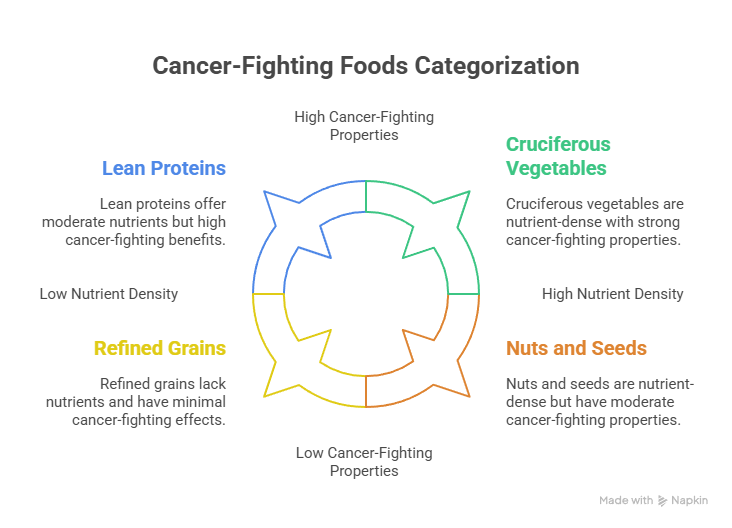
Fruits and vegetables are the cornerstone of any cancer-fighting diet. They are packed with vitamins, minerals, fiber, and antioxidants, all of which are essential in supporting overall health and reducing cancer risk. Specifically, cruciferous vegetables like broccoli, cauliflower, and kale are known for their cancer-fighting properties and feature prominently among the recommended cancer foods to eat and avoid.
Why They Work:
- Antioxidants: Fruits and vegetables are rich in antioxidants like vitamins A, C, and E, which protect cells from damage caused by free radicals. Free radicals can damage DNA and increase the risk of cancer.
- Fiber: Fiber is essential for digestive health and has been linked to a lower risk of colorectal cancer. Fiber helps detoxify the body and maintain a healthy weight.
- Phytochemicals: These naturally occurring compounds in plant foods have been shown to help prevent the development of cancer by reducing inflammation and boosting the immune system.
Best Choices:
- Leafy greens like spinach, kale, and collard greens
- Berries like blueberries, strawberries, and raspberries
- Tomatoes, carrots, and sweet potatoes
- Cruciferous vegetables like broccoli and cauliflower
Incorporating a variety of colorful fruits and vegetables into your diet ensures that you’re getting a broad range of nutrients. The more colorful your plate, the more antioxidants and phytochemicals you’re consuming — essential elements in the cancer foods to eat and avoid list.
2. Foods to Eat: Whole Grains
Whole grains are another group of foods that rank high among the recommended cancer foods to eat and avoid. Unlike refined grains, which are stripped of nutrients during processing, whole grains retain their fiber and essential nutrients. They are rich in B vitamins, minerals, and fiber, which can help reduce the risk of several types of cancer, particularly colorectal cancer.
Why They Work:
- Fiber: The fiber in whole grains helps with digestion and bowel regularity, lowering the risk of colon cancer.
- Minerals: Whole grains like brown rice, quinoa, and oats provide minerals such as magnesium and selenium, which play a role in protecting cells from cancer-causing damage.
Best Choices:
- Brown rice
- Quinoa
- Oats
- Whole wheat bread and pasta
Swapping out refined grains like white rice and white bread for whole grains is an easy and impactful change you can make, one of the most effective strategies in identifying the right cancer foods to eat and avoid.
3. Foods to Eat: Lean Proteins
While protein is an essential part of a healthy diet, not all proteins are created equal when considering cancer foods to eat and avoid. Lean proteins such as fish, poultry, and plant-based proteins like beans and lentils are better choices when it comes to cancer prevention.
Why They Work:
- Omega-3 Fatty Acids: Fatty fish like salmon and mackerel are high in omega-3 fatty acids, which have anti-inflammatory properties. Inflammation is a key driver of cancer, so reducing it can lower cancer risk.
- Plant-Based Proteins: Plant-based proteins like beans, lentils, and tofu contain fiber and antioxidants that support overall health and cancer prevention.
Best Choices:
- Fatty fish like salmon, sardines, and mackerel
- Skinless chicken or turkey
- Plant-based proteins like beans, lentils, and tofu
By including lean proteins in your diet, you’re ensuring that your body has the necessary building blocks for muscle repair and immune function while keeping inflammation in check, a vital part of choosing the right cancer foods to eat and avoid.
4. Foods to Eat: Nuts and Seeds
Nuts and seeds are a great addition to any cancer-prevention diet. They are rich in healthy fats, fiber, and antioxidants. Almonds, walnuts, flaxseeds, and chia seeds are particularly beneficial in reducing cancer risk and belong to the recommended cancer foods to eat and avoid.
Why They Work:
- Healthy Fats: Nuts and seeds contain healthy fats like monounsaturated and polyunsaturated fats, which can help reduce inflammation in the body.
- Antioxidants: Nuts like almonds and walnuts are rich in antioxidants, which protect cells from oxidative stress that can lead to cancer development.
Best Choices:
- Walnuts
- Almonds
- Flaxseeds
- Chia seeds
A handful of nuts or seeds as a snack can help you stay full while providing essential nutrients that support your body’s natural defense mechanisms, making them must-have cancer foods to eat and avoid.
5. Foods to Avoid: Processed Meats
Processed meats, such as sausages, bacon, and hot dogs, have been classified as carcinogenic by the World Health Organization (WHO). The chemicals used in processing and preserving these meats, such as nitrates and nitrites, are linked to an increased risk of colorectal and stomach cancer. They are among the top cancer foods to avoid.
Why They Are Harmful:
- Carcinogenic Compounds: The preservatives and additives in processed meats can cause DNA damage and lead to cancer development.
- High in Saturated Fats: Processed meats are often high in unhealthy saturated fats, which can contribute to obesity and increase the risk of cancer.
To reduce your cancer risk, it’s best to limit or eliminate processed meats from your diet, staying away from these harmful foods to avoid.
6. Foods to Avoid: Refined Sugar and Sugary Drinks
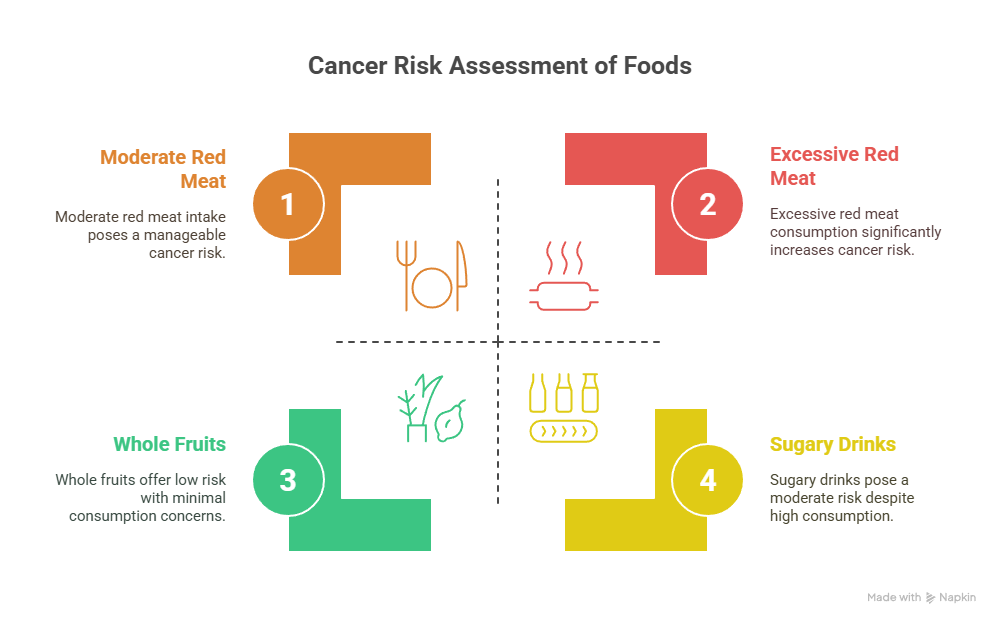
High sugar consumption is linked to various health problems, including obesity, type 2 diabetes, and an increased risk of cancer. Refined sugars found in sugary drinks, candy, and processed foods can cause insulin resistance, promote inflammation, and contribute to weight gain, all of which are risk factors for cancer. These are critical cancer foods to avoid.
Why They Are Harmful:
- Inflammation: High sugar intake promotes chronic inflammation, which plays a significant role in the development of cancer.
- Insulin Resistance: Excessive sugar can lead to insulin resistance, which is linked to an increased risk of cancers like breast and colon cancer.
Instead of sugary drinks and snacks, opt for whole fruits for natural sweetness and hydration — a smart choice among cancer foods to eat and avoid.
7. Foods to Avoid: Excessive Red Meat
While moderate consumption of red meat is not harmful, excessive intake has been linked to an increased risk of colorectal and other cancers. Cooking red meat at high temperatures (such as grilling or barbecuing) can also produce harmful chemicals that increase cancer risk. Red meat falls under the category of cancer foods to avoid when consumed excessively.
Why They Are Harmful:
- Carcinogens: When red meat is cooked at high temperatures, chemicals like heterocyclic amines (HCAs) are produced, which have been shown to increase cancer risk.
- High in Saturated Fats: Red meat is high in saturated fats, which contribute to obesity, inflammation, and insulin resistance.
If you choose to eat red meat, do so in moderation and consider healthier cooking methods like baking or steaming as part of your strategy to manage cancer foods to eat and avoid effectively.
Best Oncologist in India: Seeking Professional Guidance
While making dietary changes can play a significant role in cancer prevention, it is essential to work with a healthcare provider for personalized advice. If you are concerned about your cancer risk, seeking the guidance of the Best Oncologist in India can provide you with tailored strategies for prevention and early detection. Dr. Vijay Anand Reddy, one of the leading oncologists in the country, can offer expert advice on reducing your cancer risk through diet, lifestyle, and medical care, including guidance on the most effective cancer foods to eat and avoid.
Conclusion
By understanding the cancer foods to eat and avoid, you can take proactive steps to reduce your cancer risk and improve your overall health. Focus on consuming a variety of nutrient-dense foods like fruits, vegetables, whole grains, and lean proteins while limiting processed foods, sugary drinks, and excessive red meat. A well-balanced diet, along with regular screenings and healthy lifestyle habits, can go a long way in reducing your chances of developing cancer.
Making small changes in your diet today, by choosing the right cancer foods to eat and avoid, can have a lasting impact on your health tomorrow. If you’re looking for personalized cancer prevention strategies or need expert guidance, consult a trusted oncologist like Dr. Vijay Anand Reddy, who can help you navigate the complexities of cancer prevention and care.
Frequently Asked Questions (FAQs)
What is the #1 cancer-fighting food?
The #1 cancer-fighting food is often considered to be cruciferous vegetables, especially broccoli. Broccoli is packed with antioxidants, fiber, vitamins, and compounds like sulforaphane that have been shown to help reduce cancer risk by protecting cells from damage and inhibiting cancer cell growth.
What is a superfood for preventing cancer?
A superfood for preventing cancer is typically a nutrient-dense food rich in antioxidants, vitamins, and phytochemicals that help protect cells from damage. Examples include cruciferous vegetables like broccoli, berries such as blueberries and strawberries, and leafy greens like spinach and kale. These foods support the body’s natural defense against cancer by reducing inflammation, boosting the immune system, and neutralizing harmful free radicals.
What kills cancer cells fast?
Cancer cells are killed fast by treatments like chemotherapy, radiation, targeted therapy, and immunotherapy. These destroy or stop cancer cells from growing.
