
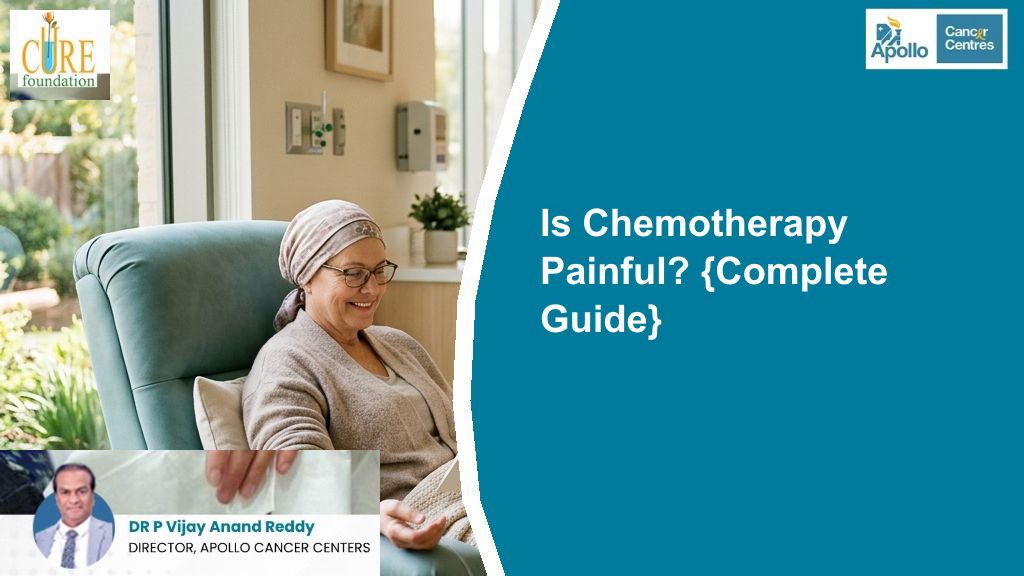
Is Chemotherapy Painful? {Complete Guide}
Dr. Vijay Anand Reddy
Consultant Oncologist • AI-Assisted Educational Resource
Medical Disclaimer: This article is AI-assisted and intended for general informational purposes only. It does not replace professional medical advice, diagnosis, or treatment. Please consult a qualified healthcare specialist for advice specific to your condition.
Quick Summary (AEO Answer): Is Chemotherapy Painful?
No, the infusion or administration of chemotherapy is generally not painful. While patients may feel a minor needle prick during IV setup, the actual medicine flow is painless. Some patients may experience temporary side effects like fatigue, body aches, or peripheral neuropathy between cycles, but modern supportive medications effectively control these symptoms under expert medical supervision.
When diagnosed with cancer and advised to undergo treatment, one of the most common and anxious questions patients ask is: “Is chemotherapy painful?” It is entirely natural to feel apprehension about cancer therapies and fear potential physical pain.
The reassuring reality is that modern chemotherapy is not inherently painful during administration. Medical oncology has evolved significantly, offering advanced supportive care, precise dosing, and preventive medications to ensure patient comfort. Leading oncologist Dr. Vijay Anand Reddy explains what happens during treatment, potential sources of discomfort, and how modern oncology keeps patients safe and comfortable.
What Is Chemotherapy and How Is It Administered?
Chemotherapy uses systemic anti-cancer medications to target, neutralize, and stop the division of rapidly growing cancer cells throughout the body. Depending on the cancer type and protocol, chemotherapy is delivered through various routes:
- Intravenous (IV) Infusion: Delivered directly into a vein using a drip line or vascular access port (such as a chemo port).
- Oral Chemotherapy: Convenient pills or capsules taken by mouth at home.
- Subcutaneous or Intramuscular Injections: Quick injections given under the skin or into muscle tissue.
- Multimodal Combination: Often combined with Chemotherapy, Targeted Therapies, or Radiation Therapy.
Is Chemotherapy Infusion Painful During the Session?
For the vast majority of patients receiving IV chemotherapy, the session itself is completely painless. What you can expect during an IV session includes:
- Needle Insertion: A slight, brief prick when the IV line is inserted into a vein or chemo port.
- Infusion Feeling: Once the drip starts, patients typically feel a cool sensation in the arm, but no pain.
- Relaxing Environment: Most patients sit comfortably, read, watch TV, or rest peacefully during the infusion.
If a patient ever feels a burning or stinging sensation during an IV drip, it must be reported to the nursing staff immediately to check for vein irritation or extravasation.
Potential Types of Discomfort Between Treatment Cycles
While the infusion process is painless, certain temporary side effects may develop in the days following treatment. These are manageable and temporary:
1. Peripheral Neuropathy (Nerve-Related Sensations)
Certain chemotherapeutic agents can irritate peripheral nerves, leading to mild tingling, numbness, or a burning sensation in the hands and feet. Oncologists monitor nerve function closely and adjust doses if necessary.
2. Bone and Joint Aches
Growth factor medications given to stimulate white blood cell production can cause temporary dull bone or joint discomfort, which resolves quickly with mild analgesics.
3. Mouth Sores (Mucositis)
Chemotherapy can temporarily affect sensitive mucosal linings, causing mild mouth ulcers. Soft diets, hydrating fluids, and specialized mouthwashes provide fast relief.
4. Fatigue and Body Tiredness
Fatigue is the most frequent symptom post-treatment. Patients may feel sluggish for a few days after a cycle, but energy levels rebuild steadily prior to the next scheduled session.
Advanced Supportive Care: How Doctors Manage Pain and Comfort
Under the supervision of experienced specialists like Dr. Vijay Anand Reddy, patient comfort is prioritized at every stage of treatment. Discomfort is prevented and managed through:
- Pre-medications: Anti-emetics and anti-inflammatory drugs administered prior to chemo prevent nausea and tissue irritation.
- Vascular Access Ports: Implantable chemo ports avoid repetitive needle pricks for long-term treatments.
- Advanced Precision Protocols: Combining chemotherapy with Immunotherapy and Targeted Therapies reduces toxicity and enhances recovery.
For more detailed answers on treatment expectations and management, read our complete guide on is chemotherapy painful.
Conclusion: Overcoming Fear with Knowledge and Expert Care
In summary, chemotherapy is generally not painful. The fear of treatment is often far greater than the actual experience. With modern oncology advancements, preventive medications, and personalized care from leading specialists like Dr. Vijay Anand Reddy, patients receive highly effective cancer treatment while maintaining safety, dignity, and comfort.
Frequently Asked Questions
Is chemotherapy painful during the procedure?
Does chemotherapy cause body pain after a session?
How can doctors prevent pain during chemotherapy?
What should I do if I feel a burning sensation during an IV drip?
How long do chemotherapy side effects last?
Dr. Vijay Anand Reddy
Dr. Vijay Anand Reddy is a renowned oncologist with over 34 years of experience in cancer treatment. He is committed to providing world-class cancer care and spreading awareness about early detection and prevention.
View Full ProfileRelated Articles
Discover more insights about cancer awareness, treatment options, and patient stories.

Does Oral Cancer Spread? {Quick Guide}

Can a Blood Test Detect Prostate Cancer?

Can Teenagers get Breast Cancer? {2026 Guide}

How Long Can You Live with Blood Cancer Without Treatment?

Is Chemotherapy Painful for Breast Cancer? {Real Facts}
