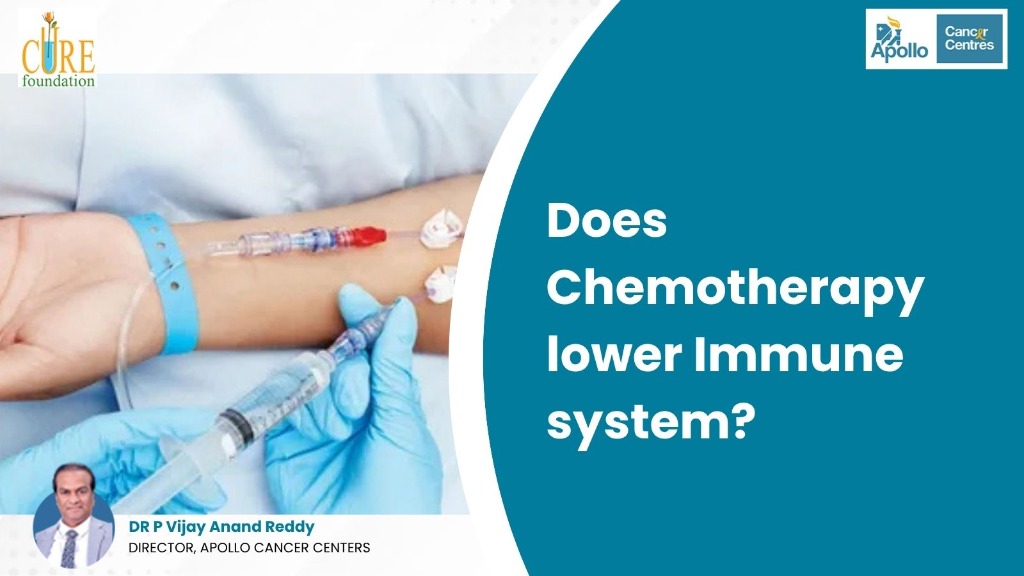
Does Chemotherapy lower Immune system?
Dr. Vijay Anand Reddy
Oncologist
A cancer diagnosis is a life-altering event, and the journey toward recovery often involves complex treatments. Among these, chemotherapy remains one of the most widely used and effective options. However, because of how chemotherapy works, it is famously associated with a range of side effects. One of the most common and critical concerns for patients and their families is: does chemotherapy lower the immune system?
The short answer is yes, chemotherapy does lower your immune system, making you more vulnerable to infections. This temporary state of being immunocompromised is a well-documented medical reality. However, understanding exactly why this happens, how long it lasts, and what steps you can take to protect yourself is vital for navigating cancer care safely. When undergoing advanced Cancer treatment in India, patients receive specialized support and education. Working with an expert medical team led by a top oncologist, such as Dr. Vijay Anand Redy, ensures that your immune health is closely monitored and actively managed throughout your treatment cycles.
How Chemotherapy Affects the Body's Defenses
To understand why chemotherapy lowers the immune system, it helps to look at how these drugs function. Chemotherapy medications are systemic treatments designed to target and destroy rapidly dividing cells. Since cancer cells grow and multiply much faster than healthy cells, they are highly vulnerable to these drugs. However, the drugs cannot distinguish between cancer cells and other healthy cells in the body that also divide quickly.
One of the primary areas containing fast-growing healthy cells is the bone marrow—the soft, spongy tissue inside your bones. The bone marrow is the body's factory for producing all blood cells, including red blood cells, platelets, and, most importantly for immunity, white blood cells (WBCs). When chemotherapy drugs circulate through the body, they temporarily suppress the bone marrow's ability to produce these cells, a condition known as bone marrow suppression or myelosuppression. As a result, blood cell counts drop, leading to a temporary decline in the body's natural defenses.
The Role of White Blood Cells and Neutropenia
White blood cells are the cornerstones of the immune system. They are responsible for identifying, fighting, and destroying invading pathogens like bacteria, viruses, and fungi. There are several types of white blood cells, but the most important type for fighting bacterial infections is the neutrophil.
When chemotherapy causes a significant drop in the number of neutrophils in the blood, it leads to a condition called neutropenia. Neutropenia is one of the most common and serious chemotherapy side effects. Without a sufficient number of neutrophils, the body loses its primary shield against infections. Even minor bacteria that are normally harmless can lead to severe, life-threatening infections in a patient with neutropenia. Oncologists routinely perform complete blood count (CBC) tests before each chemotherapy session to monitor these levels and ensure it is safe to proceed with the next treatment cycle.
Other Blood Cells Affected by Bone Marrow Suppression
While the drop in white blood cells directly impacts the immune system, bone marrow suppression also affects other blood cell lines, which can indirectly influence a patient's overall strength and resilience:
- Red Blood Cells: These cells contain hemoglobin, which carries oxygen from the lungs to the rest of the body. A drop in red blood cells causes anemia, leading to extreme fatigue, weakness, dizziness, and shortness of breath. Anemic patients may find it harder to cope with the physical demands of treatment.
- Platelets: These tiny cells are responsible for blood clotting. A low platelet count (thrombocytopenia) increases the risk of bruising, nosebleeds, bleeding gums, and prolonged bleeding from minor cuts.
The Timing: When is the Immune System at its Lowest?
The immune system does not drop immediately after a chemotherapy infusion. Instead, cell counts decline gradually. The point at which your white blood cell count reaches its lowest level is known as the \"nadir.\"
For most types of chemotherapy, the nadir occurs between 7 and 14 days after the day of treatment. During this window, your infection risk is at its highest, and you must take extra precautions to protect yourself. After reaching the nadir, the bone marrow slowly begins to recover and produce new blood cells, and counts gradually rise back toward normal levels before the start of the next chemotherapy cycle. A standard course of treatment involves multiple chemotherapy cycles, usually spaced 2 to 4 weeks apart, to allow the bone marrow time to recover between doses.
How Long Does It Take for the Immune System to Recover?
Fortunately, the immune-suppressing effect of chemotherapy is temporary. Once your entire course of chemotherapy is completed, your bone marrow will gradually regain its full cell-producing capacity. For most oncology patients, the initial immune system recovery occurs within 3 to 4 weeks after the final dose of chemotherapy, at which point white blood cell counts return to safe, normal ranges.
However, full recovery of the immune system's complex memory and regulatory functions can take longer—sometimes ranging from several months to a year. Factors that influence recovery time include the type and dosage of the drugs used, the duration of treatment, the patient's overall health, and whether chemotherapy was combined with other treatments like radiation therapy. Your medical team will continue to monitor your health and blood counts during follow-up visits to ensure your body is recovering well.
Essential Tips for Infection Prevention
Because chemotherapy lowers the immune system, practicing strict infection prevention is one of the most critical aspects of self-care during treatment. According to patient safety guidelines published by the American Cancer Society, taking proactive, everyday precautions can significantly reduce the risk of contracting an illness. Here are essential steps for patients and their caregivers:
1. Practice Frequent Hand Hygiene
Wash your hands thoroughly with soap and warm water for at least 20 seconds, especially before eating, after using the restroom, after touching pets, or after being in public spaces. Keep an alcohol-based hand sanitizer with you at all times for situations where soap and water are not available.
2. Avoid Crowds and Sick Individuals
Stay away from crowded indoor public spaces, such as shopping malls, cinemas, or public transportation, particularly during flu seasons or when your blood counts are at their nadir. Avoid close contact with anyone who has a cold, flu, cough, fever, or other contagious illnesses.
3. Practice Safe Food Handling
Ensure all foods are thoroughly washed and cooked. Avoid raw or undercooked meats, seafood, and eggs. Do not consume unpasteurized dairy products or juices. Avoid salad bars or buffets where food is left exposed, and drink clean, filtered, or bottled water.
4. Maintain Good Personal Hygiene
Take daily showers or baths, brush your teeth gently twice a day with a soft-bristled toothbrush to avoid gum injuries, and keep your skin moisturized to prevent cracks where bacteria could enter. Clean any cuts or scrapes immediately with warm water and soap, apply antiseptic, and cover with a clean bandage.
5. Avoid Animal Hazards
Pets are a source of comfort, but they can also carry bacteria and parasites. Avoid cleaning cat litter boxes, picking up dog waste, or cleaning bird cages or fish tanks. Wash your hands immediately after petting animals.
6. Keep Up with Vaccines
Discuss recommended vaccines with your oncologist. While live vaccines (like the MMR or chickenpox vaccine) must be avoided during chemotherapy, inactivated vaccines like the annual flu shot are often recommended for both patients and their household members to build a protective barrier.
Warning Signs of Infection: When to Contact Your Doctor
Even with the best precautions, infections can still occur. Because your immune system is compromised, a minor infection can escalate into a medical emergency (sepsis) very quickly. It is vital to know the warning signs and contact your oncology team immediately if you experience any of the following:
- A fever of 100.4°F (38°C) or higher. **Fever is often the first and only sign of an infection when white blood cells are low.**
- Chills or sweating.
- A persistent cough, shortness of breath, or chest pain.
- Sore throat, mouth sores, or painful swallowing.
- Pain, redness, swelling, or warmth around a cut, wound, or intravenous port/PICC line site.
- Pain or burning during urination, or an increased frequency of urination.
- Diarrhea, abdominal pain, or vomiting.
- Stiff neck or severe headache.
Supportive Treatments to Boost Immunity
Modern oncology care has access to excellent treatments that help manage and shorten the duration of low white blood cell counts. If your oncologist determines that your risk of neutropenia is high, they may prescribe medications called growth factors, such as Granulocyte Colony-Stimulating Factor (G-CSF). These injections stimulate the bone marrow to produce white blood cells more rapidly, reducing the depth of the nadir and shortening the time your immune system is compromised.
Choosing World-Class Cancer Care in India
Managing the side effects of chemotherapy requires a comprehensive, highly specialized medical environment. Seeking Cancer treatment in India offers patients access to state-of-the-art oncology infrastructure, advanced supportive therapies, and multidisciplinary medical teams that prioritize patient safety and quality of life.
Under the supervision of experienced specialists like Dr. Vijay Anand Redy, oncology departments in India employ rigorous infection control protocols, customized chemotherapy dosing schedules, and advanced growth factor support. This patient-centric care ensures that while you receive powerful treatments to eliminate cancer, your immune health and overall well-being are defended with the highest clinical standards.
Conclusion
In conclusion, while chemotherapy temporarily lowers the immune system by suppressing the bone marrow and causing neutropenia, this effect is manageable and reversible. By understanding when your infection risk is highest, practicing strict hygiene and safety precautions, and working closely with your oncology team, you can successfully navigate your chemotherapy cycles. With the support of modern medical advancements and experienced oncologists, patients can undergo their cancer treatments with confidence, looking forward to a full recovery and a healthy future.
Frequently Asked Questions
How long after starting chemotherapy does your immune system drop?
Can I boost my immune system during chemotherapy with vitamins?
What white blood cell count is dangerously low during chemotherapy?
Is a fever during chemotherapy always an emergency?
How long does it take for the immune system to recover after chemotherapy?
Can I go outside or see visitors while on chemotherapy?
Dr. Vijay Anand Reddy
Dr. Vijay Anand Reddy is a renowned oncologist with over 34 years of experience in cancer treatment. He is committed to providing world-class cancer care and spreading awareness about early detection and prevention.
View Full ProfileRelated Articles
Discover more insights about cancer awareness, treatment options, and patient stories.

How many Stages of Pancreatic Cancer are there?

Does Cancer treatment Affect Fertility?

Does Chemotherapy Work for Breast Cancer? {Real Facts}

How to Cure Throat Cancer at Home?

Which Ray is Used in Cancer Treatment? {A 2026 Guide}