Does Chemotherapy Work for Breast Cancer? {Real Facts}
Dr. Vijay Anand Reddy
Oncologist
Breast cancer is one of the most common cancers diagnosed in women worldwide. When facing a breast cancer diagnosis, patients and their families are often presented with a complex array of treatment options. Among these, chemotherapy is frequently recommended. However, it is also one of the most feared treatments due to its reputation for causing challenging side effects. This leads many to ask the fundamental question: does chemotherapy work for breast cancer?
The short answer is yes, chemotherapy is highly effective and remains a cornerstone of breast cancer care. In this comprehensive guide, we will explore the real facts about how chemotherapy works, when it is used, its success rates, and how it is integrated into a complete treatment plan. We will also address common concerns, including whether chemotherapy is painful, what side effects to expect, and how modern medical advancements under the guidance of experts like Dr. Vijay Anand Redy are making treatments more effective and tolerable than ever before.
What is Chemotherapy and How Does It Work?
Chemotherapy refers to the use of powerful medications (anti-cancer drugs) designed to destroy rapidly dividing cells. Unlike surgery or radiation therapy, which are local treatments targeting a specific area, chemotherapy is a systemic treatment. This means the drugs travel through the bloodstream, reaching and destroying cancer cells throughout the entire body.
Cancer cells are characterized by their ability to grow and divide uncontrollably. Chemotherapy drugs work by disrupting the cell division cycle. By targeting cells during different phases of growth, these medications prevent cancer cells from multiplying, eventually causing them to shrink and die. Because the drugs circulate throughout the body, they can target microscopic cancer cells that may have broken away from the primary breast tumor and traveled to other organs, even before they can be detected on standard imaging scans.
Types of Chemotherapy for Breast Cancer
Chemotherapy is not a one-size-fits-all treatment. Depending on the stage of the cancer, the characteristics of the tumor, and the patient’s overall health, chemotherapy may be administered at different points in the treatment journey. The three primary approaches are:
1. Neoadjuvant Chemotherapy
Neoadjuvant chemotherapy is administered before surgical intervention. The primary goal of this approach is to shrink large breast tumors, making them easier to remove. Shrinking a tumor before surgery can often allow a patient to undergo a breast-conserving surgery (lumpectomy) rather than a complete breast removal (mastectomy). Additionally, neoadjuvant therapy allows oncologists to assess how well the tumor responds to specific chemotherapy drugs in real-time, providing valuable information for long-term prognosis.
2. Adjuvant Chemotherapy
Adjuvant chemotherapy is given after surgery. Even when a surgeon successfully removes all visible signs of a breast tumor, microscopic cancer cells can sometimes remain behind in the surrounding tissues or bloodstream. If left untreated, these cells can grow and cause the cancer to recur. Adjuvant chemotherapy is designed to sweep the body and eliminate these hidden cancer cells, significantly reducing the risk of cancer recurrence and improving long-term survival rates.
3. Palliative Chemotherapy
Palliative chemotherapy is used for advanced or metastatic breast cancer, where the cancer has spread to other parts of the body, such as the bones, liver, lungs, or brain. While metastatic breast cancer is generally not curable, palliative chemotherapy works to control the growth of the disease, shrink tumors, relieve cancer-related symptoms (such as pain or shortness of breath), and extend the patient's life while maintaining the highest possible quality of life.
Does Chemotherapy Work for All Types of Breast Cancer?
The effectiveness of chemotherapy depends heavily on the specific subtype of breast cancer, which is determined by analyzing the tumor's hormone receptor status and HER2 protein levels. Oncologists look at these markers to decide if chemotherapy is the right choice:
- Triple-Negative Breast Cancer (TNBC): This aggressive subtype lacks estrogen receptors, progesterone receptors, and HER2 proteins. Because hormone therapy and HER2-targeted drugs are ineffective against TNBC, chemotherapy is the primary systemic treatment. Fortunately, triple-negative breast cancer tends to be highly responsive to chemotherapy drugs.
- HER2-Positive Breast Cancer: HER2-positive breast cancers have high levels of the HER2 protein, which promotes cancer cell growth. For these patients, chemotherapy is typically combined with HER2-targeted therapies (such as trastuzumab). This combination has revolutionized outcomes, turning a historically difficult-to-treat cancer into one with highly favorable survival rates.
- Hormone Receptor-Positive (HR+) Breast Cancer: These cancers grow in response to estrogen or progesterone. They are primarily treated with hormone therapies. However, chemotherapy may still be recommended for patients with HR+ breast cancer if the cancer is advanced, has spread to lymph nodes, or has high-risk genetic features. Tools like Oncotype DX or MammaPrint testing help determine if chemotherapy will provide additional benefits beyond hormone therapy alone.
Understanding the Success and Survival Rates
One of the most encouraging real facts about breast cancer is that early-stage breast cancer has excellent survival rates when treated appropriately. When considering Breast Cancer Treatment in India, patients have access to world-class oncology centers and advanced therapeutic regimens that yield outcomes on par with global standards.
According to clinical data compiled by the American Cancer Society, the 5-year relative survival rate for localized breast cancer (cancer that has not spread outside the breast) is 99%. For regional breast cancer (which has spread to nearby lymph nodes), the survival rate is approximately 86%. Chemotherapy plays a vital role in achieving these high survival rates by destroying cancer cells systemically and preventing metastatic spread. Even in advanced stages, modern chemotherapy regimens, when combined with targeted therapies and immunotherapy, continue to push boundaries and extend lives significantly.
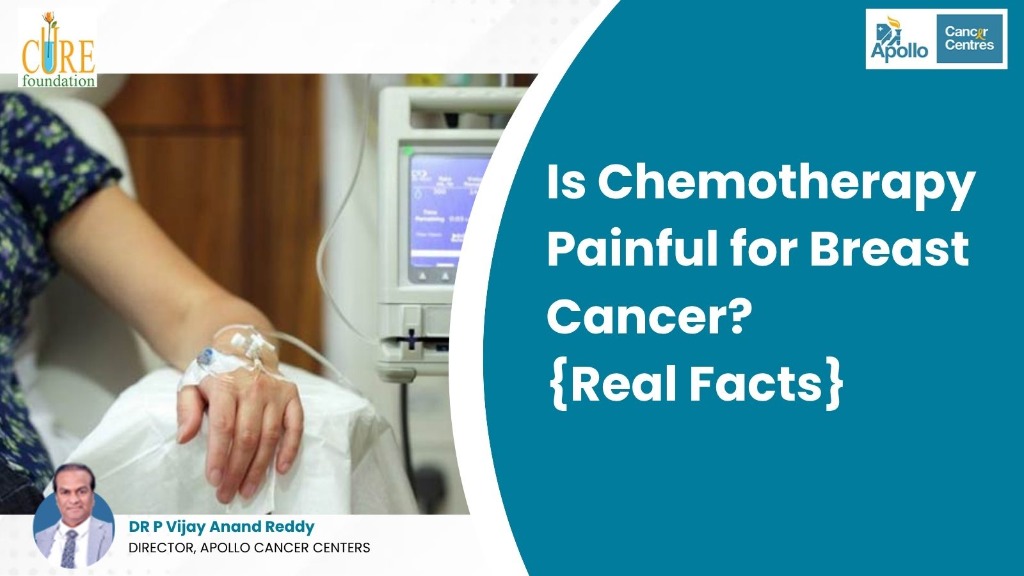
Is Chemotherapy Painful for Breast Cancer? {Real Facts}
One of the most common fears surrounding cancer care is the physical pain associated with treatments. Many patients ask, "Is chemotherapy painful?" The answer is twofold: the actual administration of chemotherapy is not painful, but the side effects can cause physical discomfort.
During the infusion process, chemotherapy drugs are delivered intravenously. This is usually done through a standard IV line, a PICC line, or an implanted port (Port-a-Cath). The insertion of the IV needle involves a brief pinch, similar to a routine blood test. Once the infusion begins, you should not feel any pain. If you experience a burning, stinging, or painful sensation at the injection site, it is crucial to inform the nursing staff immediately, as this could indicate that the drug is leaking into the surrounding tissue (extravasation).
However, as the drugs begin working throughout the body, they can cause side effects that result in physical discomfort or pain. For example, some patients experience muscle aches, joint pain, or headaches. Others may develop peripheral neuropathy, a condition characterized by tingling, numbness, or burning pain in the hands and feet. Mouth sores (mucositis) can also develop, making swallowing painful. Fortunately, oncologists have a wide array of supportive medications to manage these symptoms, ensuring that patients remain as comfortable as possible throughout their treatment cycles.
Managing Breast Cancer Chemotherapy Side Effects
Chemotherapy drugs target rapidly dividing cells, which includes not only cancer cells but also healthy, fast-growing cells in the hair follicles, digestive tract, and bone marrow. This destruction of healthy cells leads to the common side effects of treatment. Understanding these effects and knowing how to manage them can significantly ease the treatment journey:
- Fatigue: This is the most common side effect. It is a deep, persistent tiredness that does not go away with rest. Patients are encouraged to conserve energy, prioritize sleep, and engage in light activities like short walks when possible.
- Hair Loss: Many chemotherapy drugs cause temporary hair loss on the scalp, face, and body. Hair typically begins to fall out 2 to 4 weeks after starting treatment. Modern techniques, such as scalp cooling caps, can sometimes help reduce hair loss. It is important to remember that hair almost always grows back after treatment is completed.
- Nausea and Vomiting: Historically, nausea was a major challenge during chemotherapy. Today, oncologists prescribe highly effective anti-nausea medications (antiemetics) before and after chemotherapy cycles, which prevent or minimize nausea for the vast majority of patients.
- Bone Marrow Suppression: Chemotherapy can lower blood cell counts, leading to anemia (low red blood cells, causing fatigue), leukopenia (low white blood cells, increasing infection risks), and thrombocytopenia (low platelets, causing bruising or bleeding). Regular blood tests are performed to monitor these counts, and medications can be given to stimulate blood cell production.
- Cognitive Changes ("Chemo Brain"): Some patients experience mild memory lapses, difficulty concentrating, or mental fogginess during and after treatment. Keeping a daily planner and practicing brain-training exercises can help manage these changes.
How Chemotherapy Cycles Work
Chemotherapy is administered in structured intervals known as chemotherapy cycles. A cycle consists of the day or days the treatment is given, followed by a period of rest and recovery to allow the body's healthy cells to heal. For instance, a cycle might last 2 or 3 weeks, with drug administration on day one, followed by 14 to 20 days of rest. A complete course of chemotherapy typically consists of 4 to 8 cycles, spread over 3 to 6 months, depending on the stage and aggressiveness of the breast cancer.
Chemotherapy Treatment in India: A Hub for World-Class Care
India has emerged as a premier global destination for medical oncology, offering advanced clinical expertise and cutting-edge medical technologies. Choosing Chemotherapy treatment in India provides patients with access to state-of-the-art facilities and personalized care protocols at a fraction of the cost found in Western nations.
Modern oncology departments in India employ multidisciplinary tumor boards where medical oncologists, surgical oncologists, radiation oncologists, and pathologists collaborate to design the most effective treatment plans. Highly qualified oncologists like Dr. Vijay Anand Redy focus on delivering patient-centric care, integrating advanced supportive treatments to control side effects and maximize therapeutic outcomes, ensuring that every patient receives compassionate and comprehensive healing.
Conclusion: Does It Work?
In conclusion, chemotherapy is a highly effective, scientifically proven treatment that plays a critical role in curing early-stage breast cancer, preventing recurrence, and controlling advanced disease. While the treatment can be physically demanding, modern supportive care has made managing side effects highly successful. With the right medical team, personalized treatment protocols, and advanced therapies, chemotherapy remains one of our most powerful allies in the fight against breast cancer.
Frequently Asked Questions
Does chemotherapy cure breast cancer permanently?
Is chemotherapy painful?
How long does a chemotherapy session take?
What is the success rate of chemotherapy for breast cancer in India?
What are the common side effects of chemotherapy for breast cancer?
When is chemotherapy not needed for breast cancer?
Dr. Vijay Anand Reddy
Dr. Vijay Anand Reddy is a renowned oncologist with over 34 years of experience in cancer treatment. He is committed to providing world-class cancer care and spreading awareness about early detection and prevention.
View Full ProfileRelated Articles
Discover more insights about cancer awareness, treatment options, and patient stories.

Does Chemotherapy lower Immune system?

How many Stages of Pancreatic Cancer are there?

Does Cancer treatment Affect Fertility?
How to Cure Throat Cancer at Home?
Which Ray is Used in Cancer Treatment? {A 2026 Guide}